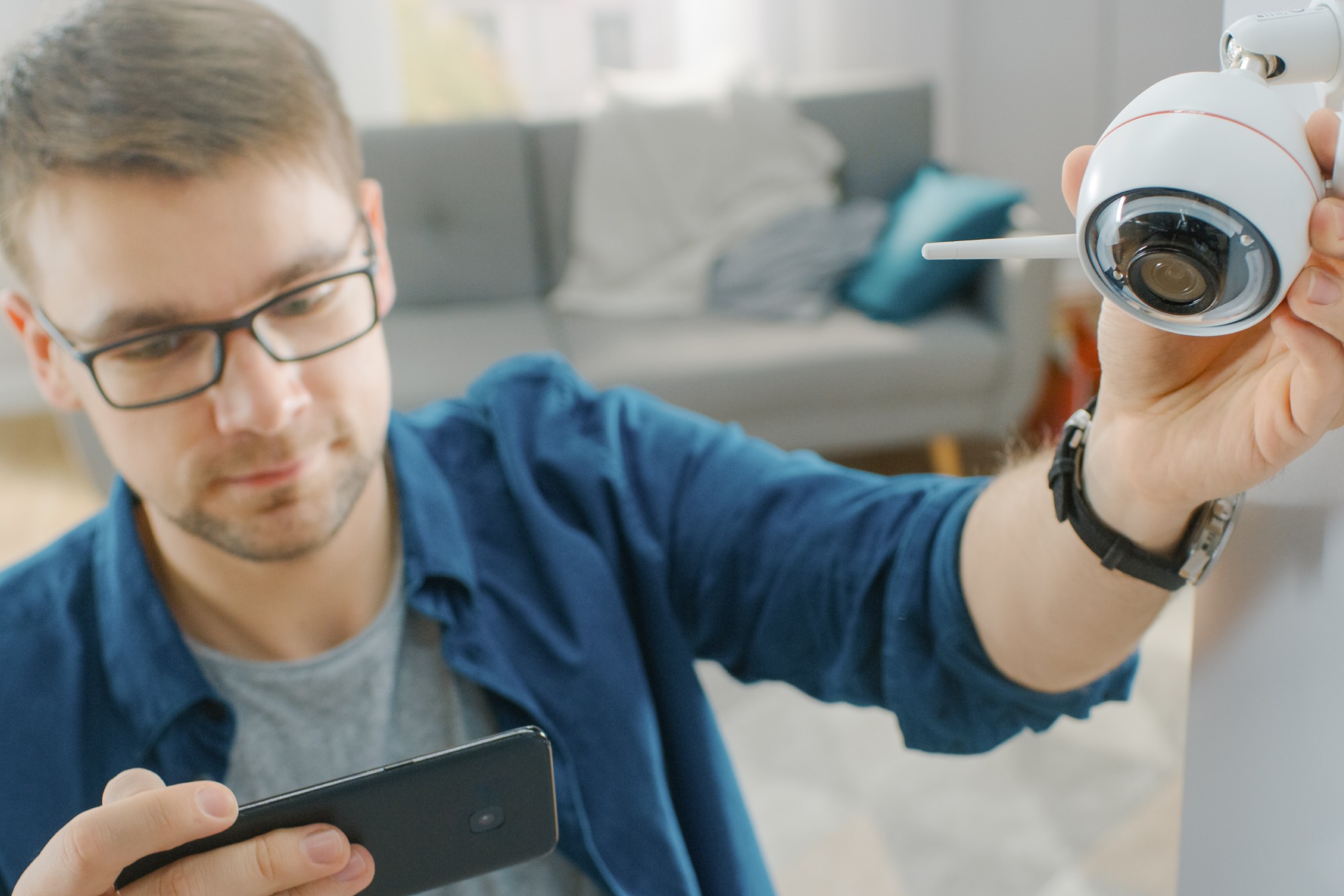
Most people only start thinking seriously about home security after something goes wrong: a break-in on the street, a package stolen off the porch, a neighbor’s story that suddenly makes the whole topic feel urgent. That reactive pattern is understandable, but it also means a lot of households end up making rushed decisions under stress rather than building a setup that actually fits how they live. Treating security as an ongoing part of home comfort, the same category as good lighting or a reliable thermostat, tends to produce better results than waiting for a scare to force the issue.
Security as a Lifestyle Choice, Not Just a Reaction
There is a noticeable difference between a household that installed a security system after a scare and one that built it in as part of how the home simply operates. The second group tends to use their system more consistently, check camera feeds out of habit rather than anxiety, and generally report feeling more at ease day to day rather than only during moments of heightened worry. Part of that comes down to framing: a system installed calmly, researched and chosen without pressure, tends to fit better into daily routines than one purchased in a hurry after a stressful event. It is worth approaching security the way you would approach any other home upgrade meant to improve quality of life, rather than treating it purely as a defensive measure. There is also a financial angle to that calm approach: homeowners who research providers, compare monitoring plans, and read reviews without time pressure tend to negotiate better terms and avoid signing multi-year contracts they later regret, simply because they were not making the decision in the middle of an anxious week.
What Actually Improves Day-to-Day Peace of Mind
The features that make the biggest difference in daily life are not always the most dramatic ones. A video doorbell that lets you see who is at the door without getting up mid-dinner, a smart lock that eliminates the low-grade anxiety of wondering whether you locked up before leaving for a trip, and simple motion-activated lighting that removes the awkward fumble for a switch in the dark all add small, consistent improvements to how a home feels to live in. These conveniences matter just as much as the more headline-grabbing features like facial recognition or professional monitoring, and for many households they end up being the parts of the system used the most often. Small automations compound in the same way: lights that follow a schedule so the house never looks obviously empty, a lock that automatically engages a few minutes after everyone has left, or a camera that only sends a notification for activity near the door rather than every passing car on the street. None of these individually feels like a major security upgrade, but together they remove dozens of small daily decisions and replace them with a system that simply handles the routine.
Finding a Setup That Matches Your Actual Life
Not every household needs the same system, and matching the setup to actual habits matters more than chasing the most advanced available technology. Someone who travels frequently for work benefits enormously from remote monitoring and instant alerts, while someone who works from home most days may prioritize discreet cameras and simple automation over constant notifications. Renters have different needs than homeowners, since wireless, non-permanent equipment fits a lease far better than a hardwired system. Thinking honestly about daily patterns, rather than defaulting to whatever package a salesperson recommends first, tends to produce a setup that gets used consistently instead of becoming background noise everyone learns to ignore. It is also worth revisiting the setup periodically as life changes, since a system configured for a young single professional may need adjusting after a move-in partner, a new baby, or a pet joins the household, each of which changes what counts as normal activity versus something worth flagging.
Local Options Worth Knowing About
For readers exploring options locally, researching providers who understand the specific rhythms of a city matters more than picking whichever brand has the biggest advertising budget. San Antonio in particular has several well-reviewed local providers, and comparing notes on home security in San Antonio options can reveal useful differences in response times, contract flexibility, and customer service that national brands do not always match. Local companies also tend to have a better sense of neighborhood-specific concerns, whether that is package theft in a dense area or storm-related power reliability farther out from the city center, which shapes practical recommendations in a way generic online guides cannot. Comparison shopping locally rather than defaulting to the first national brand that shows up in a search also tends to surface flexible, no-contract options that fit a lifestyle better than a rigid multi-year agreement.
Making Peace With the System You Choose
Whatever setup a household ultimately chooses, the goal should be a system that fades into the background rather than one that demands constant attention or triggers anxiety with frequent false alerts. That means taking the time to properly configure motion sensitivity, notification settings, and automation rules rather than accepting default settings out of the box. A system tuned to actual living patterns, rather than generic factory settings, ends up feeling like a quiet layer of comfort woven into the home instead of a constant reminder of what could go wrong. That shift in framing, from crisis tool to everyday comfort, is ultimately what makes a security system worth having in the first place, and it is a much healthier way to think about a decision that so many people only make out of fear.
A Small Investment That Pays Off in Daily Life
At the end of the day, the households that get the most value from a security system are rarely the ones with the most expensive equipment. They are the ones who took the time to choose a setup that matched their actual routines, configured it thoughtfully, and treated it as an ordinary part of home life rather than an emergency purchase made under pressure. That approach turns security from a source of background stress into one more small comfort layered into a home that already works the way its occupants need it to.